
FoundedFall 2026
HomeUC Santa Cruz
Partner clubPMC @ SJSU
MembershipFree, all majors
Introduction
Where UCSC students learn to build products.
PM Club is the product management club at UC Santa Cruz. We put members in front of working product managers, teach the methods the job uses, and give them real problems to practice on. Membership is free and open to any UCSC student, in any major.
We're not a career fair. We're a group of people interested in the same question: how an idea becomes a shipped product, and what it takes to be the person responsible for getting it there.
Programming
What we're doing this year.
Four kinds of programming, on a schedule posted at the start of each quarter. Each one exists to do a specific job: meet the people, learn the craft, or practice the work.
01
Speaker sessions
A working product manager or founder talks through a real decision they made, then takes questions. Small rooms, no slides required.
02
Workshop series
Four sessions per quarter on the methods the job runs on: user research, writing a PRD, roadmaps and prioritization, metrics.
03
Case nights
Teams get a product problem and ninety minutes. Present, get feedback from a working PM, learn what you'd change.
04
Mock interviews
Product sense, execution, and behavioral rounds, run the way companies run them, with written feedback afterwards.
Follow
Meetings, dates, and news go on Instagram first.
Follow @pmclub.ucsc for meeting times, rooms, and what's coming up each week. PM Club is on LinkedIn as well.

In the redwoods.
UCSC · Science Hill
Photograph · TN, 2025
Photograph · TN, 2025
About
Build. Ship. Connect.
PM Club is the product management club at UC Santa Cruz. We prepare students for product roles by putting them in front of working product managers, teaching the methods the job uses, and giving them real problems to practice on.
Founded in fall 2026. Open to any UCSC student, in any major, who wants to understand how products get decided and built.
We're not a career fair. We're a group of people interested in the same question: how an idea becomes a shipped product, and what it takes to be the person responsible for getting it there.
FoundedFall 2026
HomeUC Santa Cruz
Partner clubPMC @ SJSU
Board17 people
Who runs it
Seventeen people, six teams.
PM Club is run by a student board: a president and a chief operating officer, and five teams, each with a head and leads. Membership, marketing, outreach, programs and operations, and finance. Each quarter the teams bring on interns who take one project from start to finish and hand it off documented.
We plan to register with UCSC in winter quarter, after a first quarter of running events. Many campus organizations start this way.
T-01Leads2 people
Set the direction, run the board, and answer for the whole club.
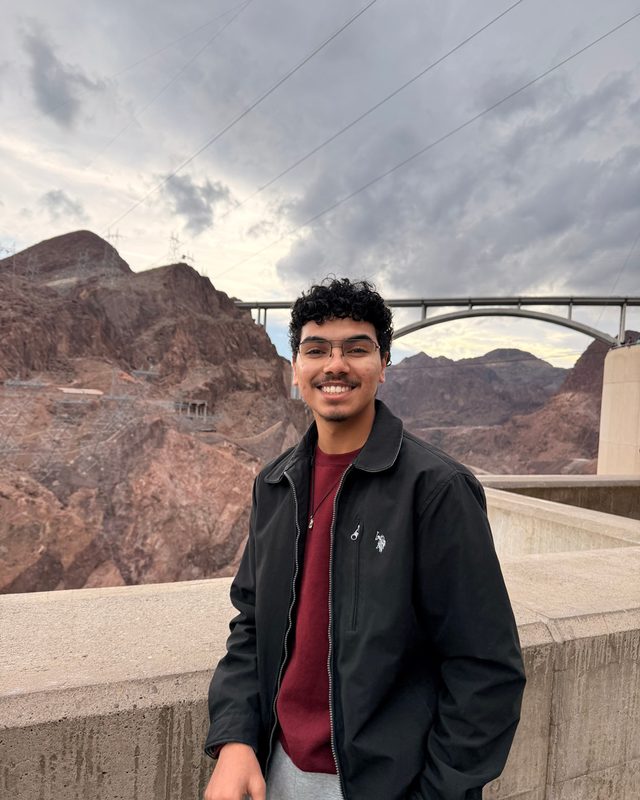
President
Tarun Chandra

Chief Operating Officer
Mahika Vohra
T-02Membership3 people
Onboarding, the member list, and the reasons people come back.

Membership Head
Gundeep Sambee
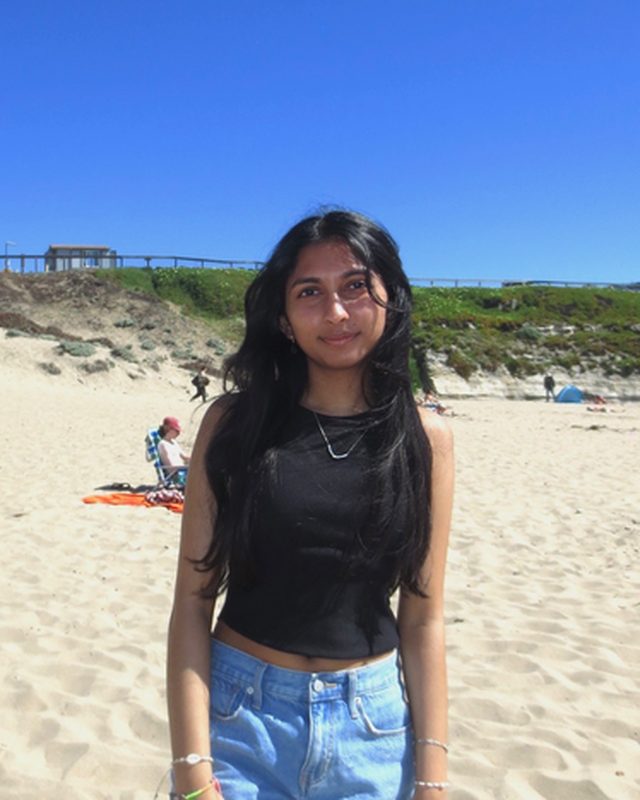
Membership Lead
Saanvi Sao
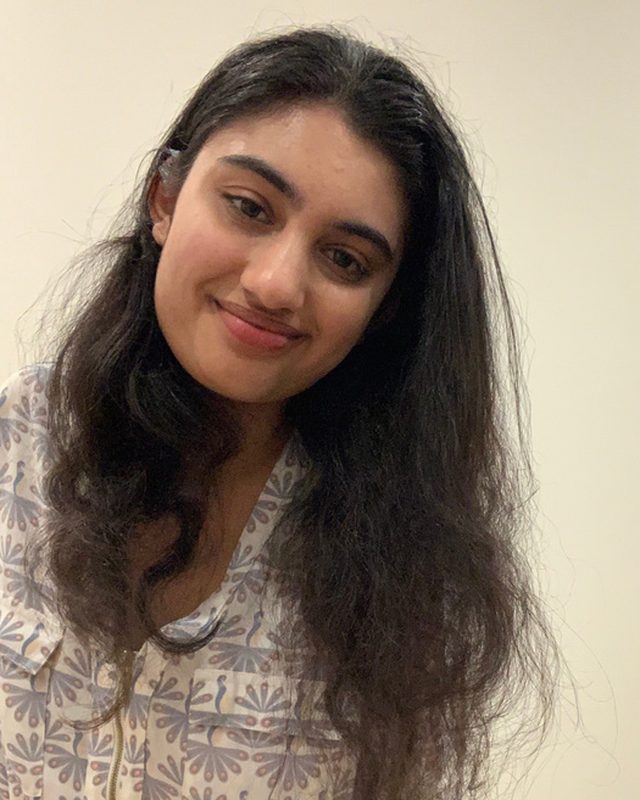
Membership Lead
Pariya Sarin
T-03Marketing2 people
Instagram, LinkedIn, posters, and the way the club sounds.

Marketing Head
Pranitha Rajaa
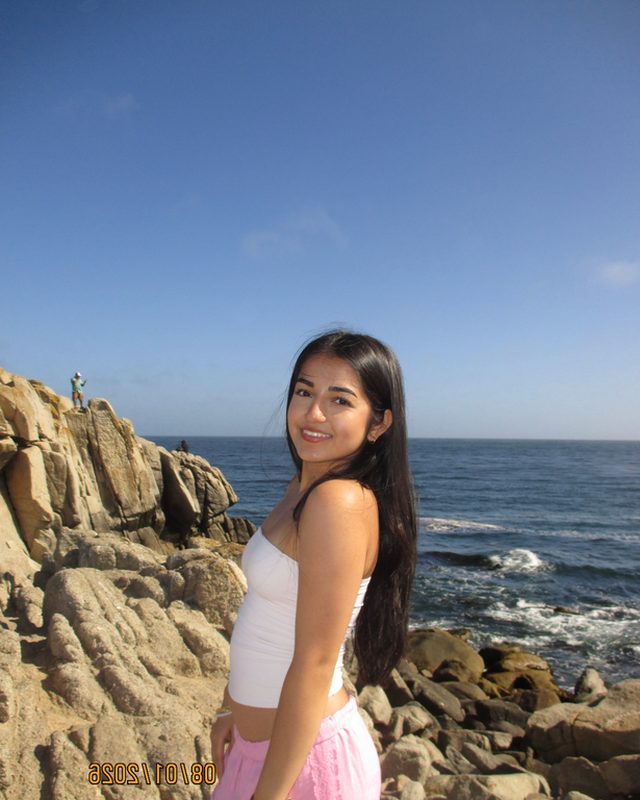
Marketing Lead
Shadhana Saud
T-04Outreach4 people
Speakers, companies, and the partnership with PMC @ SJSU.
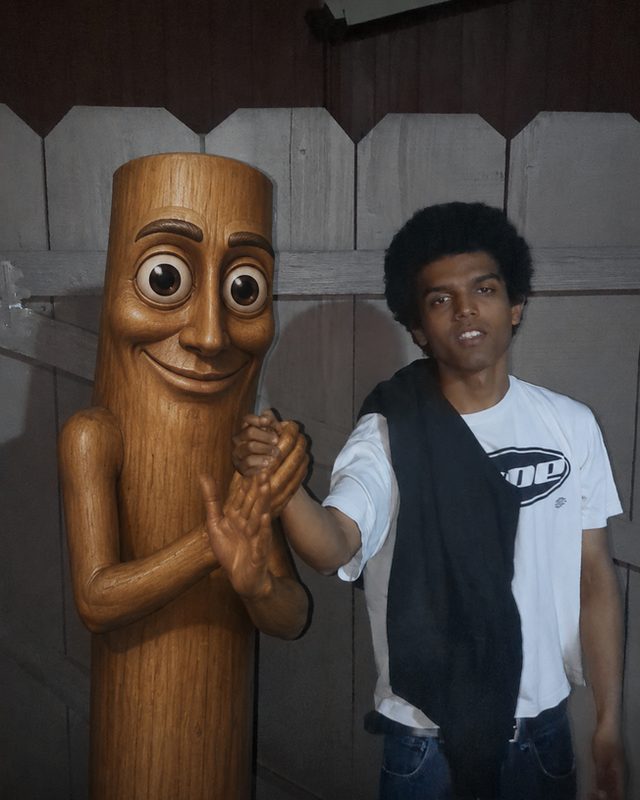
Outreach Head
Lokesh Kodam
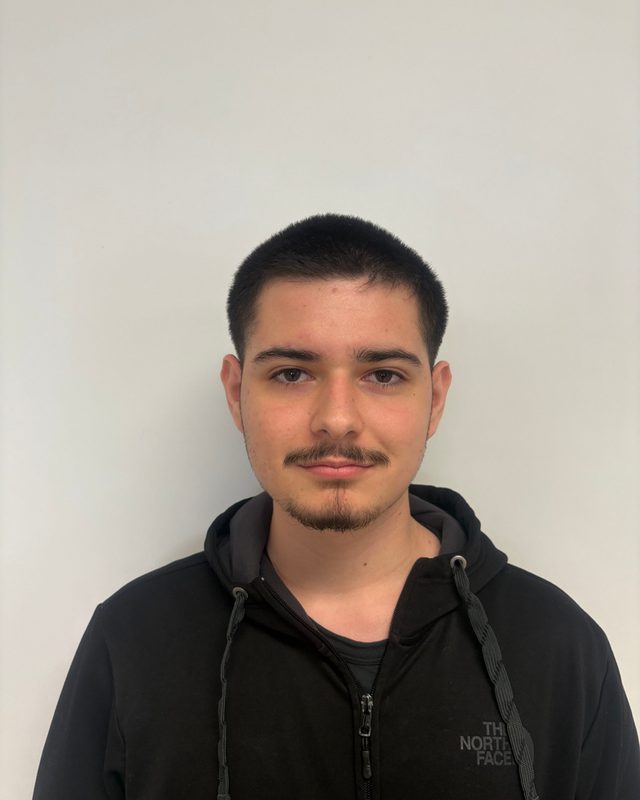
Outreach Lead
Luis Gonzalez-Felix
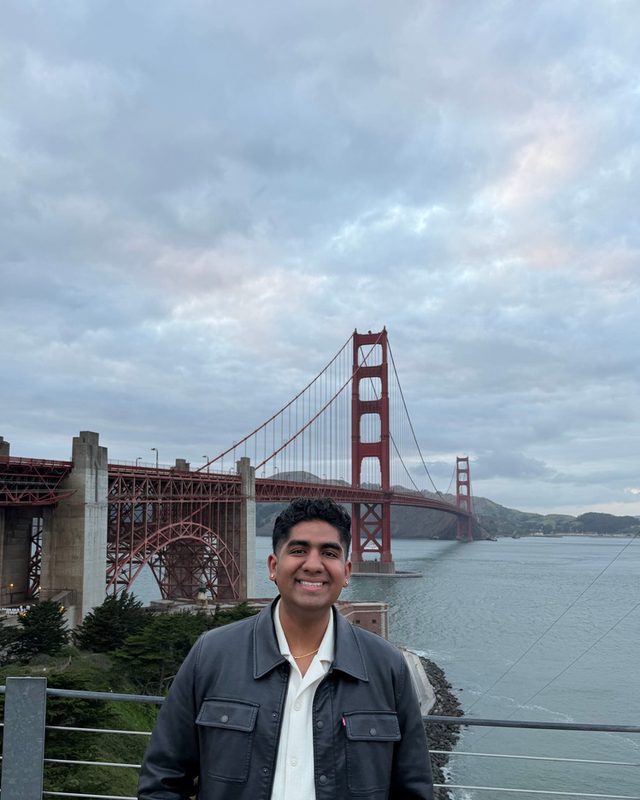
Outreach Lead
Aman Avinash
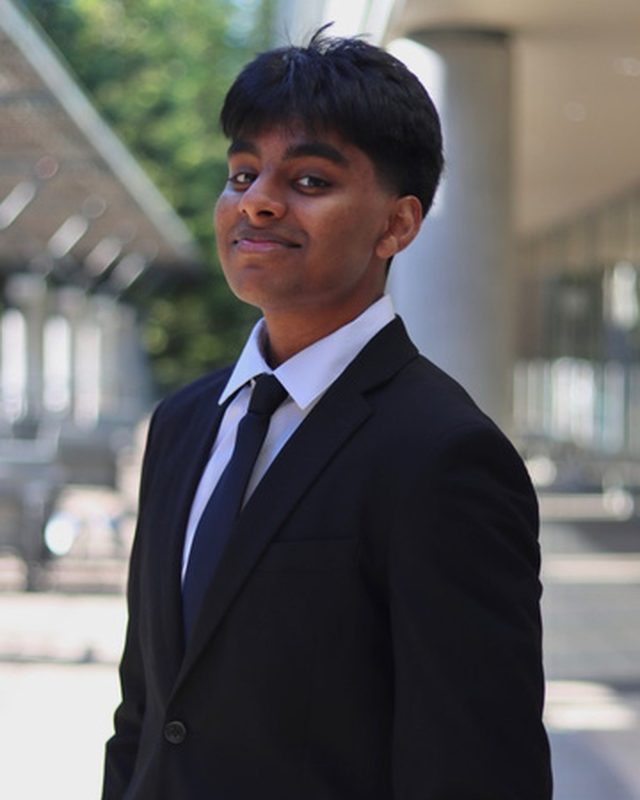
Outreach Lead
Charan Rameshkumar
T-05Programs & Operations3 people
Workshops, case nights, and the run-of-show for every event.

Programs Head
Abhinaya Ramesh

Operations Lead
Prithika Pradhan
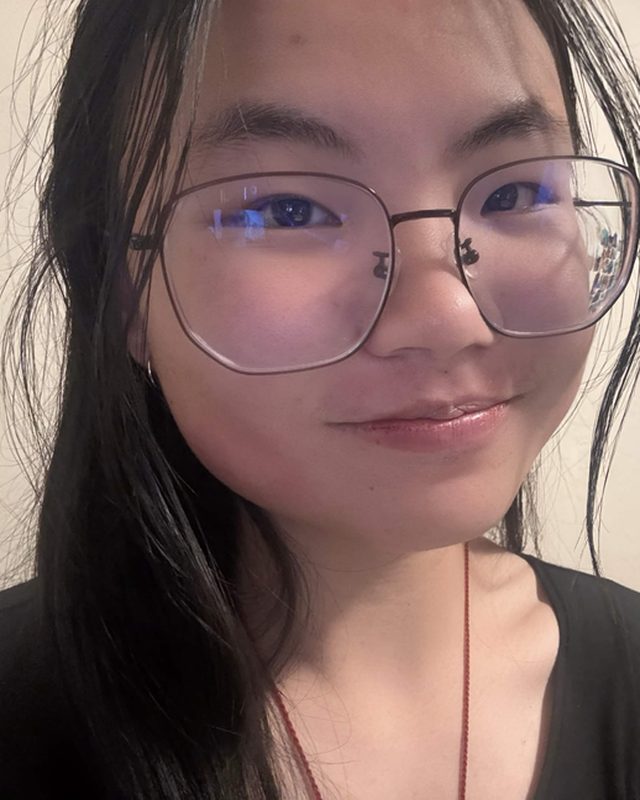
Operations Lead
Jenny He
T-06Finance3 people
Budget, sponsors, and reimbursements.
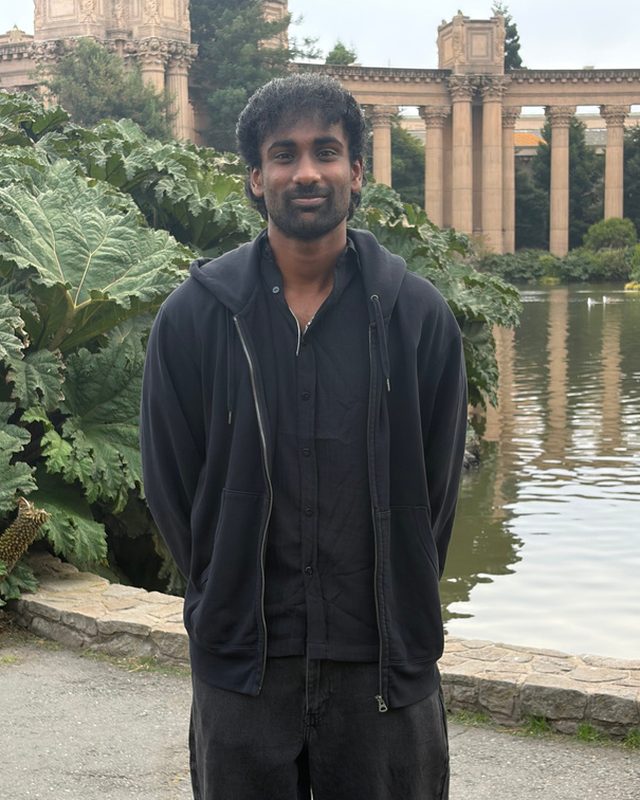
Finance Head
Srikar Alla
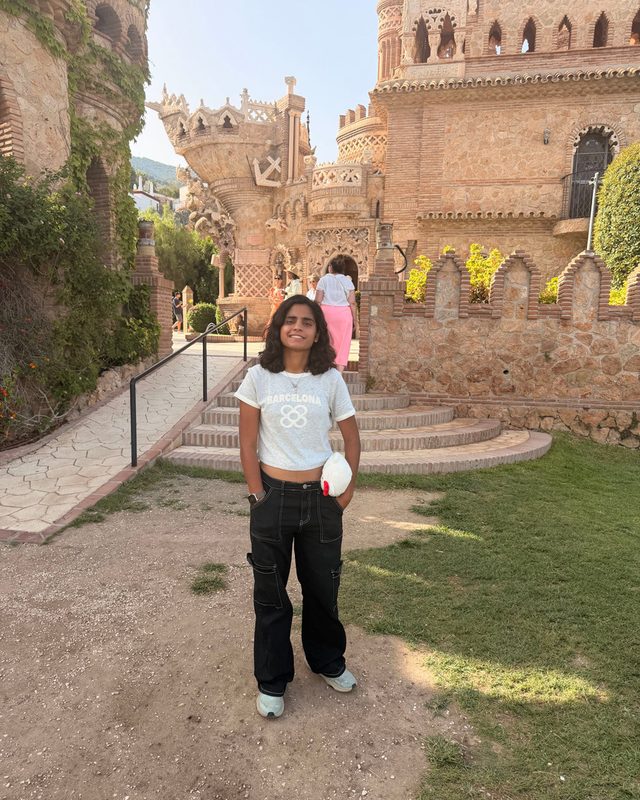
Finance Lead
Sanya Bhatia
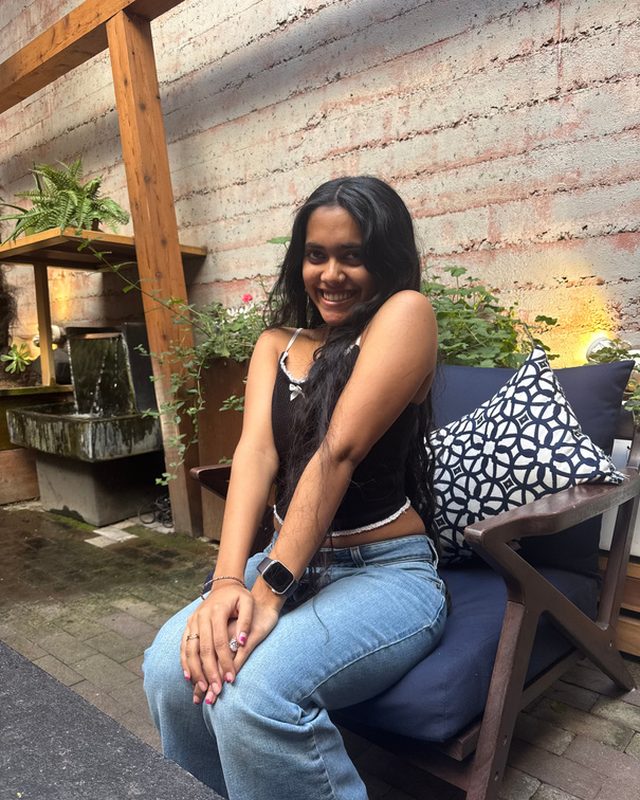
Finance Lead
Saumya Kundu
Partner club
Two clubs. One product community across the Bay.
PMC @ SJSU is San José State's product management club. We've partnered with them from the start: shared speakers, cross-campus events, and a network across two public universities on either side of the Santa Cruz Mountains. Events are open to members of both clubs.
Founded fall 2026
Partner clubPM Club
UC Santa Cruz
You are herePMC
San José State University
Visit pmclubsjsu.com →
For companies
Speak, teach, recruit.
We host speaker sessions and workshops with working product managers each quarter, and our members are students who want to do this work. Three ways to work with the club:
Speak. Forty-five minutes on a real decision you made, then questions. On campus or online.
Teach. Lead one session of the workshop series in your area: research, PRDs, roadmaps, or metrics.
Recruit. A recruiter session on campus to meet members and explain how your process works.
Email pmclub.ucsc@gmail.com and we'll reply within a couple of days.
Questions
Probably what you're wondering.
If it isn't here, email pmclub.ucsc@gmail.com.
Q. 01Do I need product management experience?+
No. Most members won't have any. The workshops start from the beginning, and the case nights are built for people who haven't done one before.
Q. 02Is membership free?+
Yes. Follow @pmclub.ucsc on Instagram for meeting times and show up.
Q. 03Which majors can join?+
Any. Product management draws on engineering, design, business, and the social sciences, and product teams hire from all of them.
Q. 04How much time does it take?+
As much as you want. Most events are an hour to ninety minutes, and nothing is mandatory.
Q. 05Can I join mid-quarter?+
Yes. Any event is open to any UCSC student. If you missed part of the workshop series, you can make it up the following quarter.
Q. 06Is the club officially registered with UCSC?+
Not yet. We plan to register in winter quarter, after a first quarter of events. Many campus organizations start this way.

What we do.
Pacific Ocean · Santa Cruz
Photograph · TN, 2025
Photograph · TN, 2025
Everything the club runs falls into three jobs: meet the people, learn the craft, practice the work.
01 · Meet
Speaker sessions and mixers
Working product managers and founders from Bay Area companies, in small rooms, taking questions.
- aSpeaker sessions: one real decision, told by the person who made it.
- bMixers with PMC @ SJSU and UCSC alumni working in product.
02 · Learn
The workshop series
Four sessions each quarter, led by working product managers. Miss one and you can make it up the following quarter.
- 1User research: interviewing, finding the real problem.
- 2Writing a PRD: scope, requirements, what "done" means.
- 3Roadmaps and prioritization: deciding what not to build.
- 4Metrics: choosing them, reading them, being honest about them.
03 · Practice
Case nights and mock interviews
The work itself, under time, with feedback from people who do it for a living.
- aCase nights: a product problem, a team, ninety minutes, a presentation, feedback.
- bMock interviews: product sense, execution, and behavioral rounds with written feedback.
Careers · Fall 2026
Ship real work. Before you graduate.
Two internships for fall quarter: a Forward Deployed Engineer who builds what the club runs on, and a Marketing × Operations lead who makes people show up. Ten weeks, real responsibility, a finished project you can point to.
Tools you'll useVercelGoogle Apps ScriptGitHubFigmaGoogle WorkspaceInstagramLumaCanva
2Tracks
4Seats open
10weeksOne quarter
5–8hrs/wkAround your classes
Two tracks
Two ways in. One standard.
Each intern takes one project from the first week, ships it by the tenth, and documents it for whoever comes next. Ten weeks, hybrid, scheduled around classes. Applications close .
The engineer next to the user.
"Forward deployed" is borrowed from companies that put engineers beside the customer instead of behind a backlog. Here, the customers are the club's officers and members. You'll be responsible for what they actually use: this site, the application and sign-up pipeline behind it, RSVP and check-in for events, and the automations that replace spreadsheets officers maintain by hand.
Your week starts with a conversation, not a ticket. Find what's broken or manual, build the smallest fix that works, watch it get used, repeat.
Shipped by week 10
- 01Member portal v1: RSVP, event check-in, and a profile that survives the quarter.
- 02The application pipeline, end to end: the form, the email delivery, and a summary the board can review in one place.
- 03One board dashboard: attendance, RSVP-to-show rate, follower growth.
- 04Three things an officer used to do by hand that they don't anymore.
The ten weeks
Every track ends with a demo to the board.Weeks 1–2
Embed
Shadow every officer team. Map what they do by hand. Pick your first build with your mentor.
Weeks 3–5
Build v1
Ship the smallest useful version. Demo on Friday. Get it in front of a real member.
Weeks 6–8
Ship and iterate
Real users, real bugs, the dashboard. Automate the second and third thing.
Weeks 9–10
Hand off
Documentation, a final demo to the board, and a write-up you can put in a portfolio.
The plan and the clipboard.
A club lives or dies on two things: whether people hear about it, and whether the event actually works when they arrive. You own both. That's the Instagram calendar and the posts, the run-of-show for every event, the weekly member email, and the numbers behind all of it.
Marketing gets them in the room. Operations makes the room worth it. You're the person who does both, on schedule, and reads the numbers afterwards.
Shipped by week 10
- 01A 10-week content calendar and 20 published posts with a consistent visual system.
- 02Run-of-show for three events, executed: room, speaker, check-in, recap.
- 03The weekly member email, every week, with an open rate you can explain.
- 04A one-page growth report to the board: what worked, what didn't, what's next.
The ten weeks
Every track ends with a demo to the board.Weeks 1–2
Audit
What we post, who shows up, what the room looks like. Set the visual system and the calendar.
Weeks 3–5
Publish
Calendar goes live. First event run end to end, from the poster to the recap.
Weeks 6–8
Grow
Campaign for the flagship event. Iterate on what the numbers say, not what feels right.
Weeks 9–10
Report
The growth report, and a playbook the next intern can pick up on day one.
Hiring
How hiring works.
Four steps, about two weeks end to end. No trick questions, no GPA cutoff, and a real answer either way.
01
Apply
About 10 minutes
Pick a track, rate yourself on four signals, answer three questions. Plain language is fine.
02
Read
Within 7 days
Two board members read every application against the same rubric: your four ratings and your written answers. GPA isn't considered.
03
Chat
20 minutes
Coffee on campus or a call. One scenario from your track, and time for your questions about us.
04
Offer
Within 3 days
A yes, or a clear no with a reason. Start the following week with your mentor.
What we score
Same rubric for everyone.
You'll see the same four things in the application. Rate yourself honestly; we read the ratings against your written answers.
OwnershipBuilt, ran, or shipped
40%
ThinkingThe track scenario
30%
FitWhy this, why now
20%
CraftLinks work, writing is clear
10%
Two readers, independently. Disagreements go to a third. Your major, year, and GPA aren't on the sheet.
Questions
Probably what you're wondering.
If it isn't here, email pmclub.ucsc@gmail.com.
Q. 01Do I need to be a CS major for the engineering track?+
No. You need to have built something other people used: a site, a bot, a script that saved someone an hour. Your major doesn't matter here; what you've built does.
Q. 02Can I apply to both tracks?+
Pick the one you want more. There's a box on the application to say you're open to the other, and we'll raise it in the chat if it makes sense.
Q. 03How much time is this, really?+
Five to eight hours a week for ten weeks, scheduled around your classes. One fixed weekly sync with your mentor; the rest is yours to arrange. If a midterm week needs to be lighter, say so early.
Q. 04Is it paid?+
Not currently. It's a volunteer position. What you get is a finished project for your portfolio, and board members who can speak specifically to your work when you need a reference.
Q. 05I'm a first-year. Should I still apply?+
Yes. The four signals are there to calibrate, not to screen. A first-year who has shipped one real thing and can explain it will do better than a senior with a long résumé and nothing to say about it.
Q. 06When does it start, and where?+
Week 2 of fall quarter, running about ten weeks. Hybrid: a weekly sync on campus, events in person, the rest async. Applications close .
Apply
Applications close .
About ten minutes. Two board members read every application, and you'll hear back either way.
Apply
Apply.
About ten minutes. Four short sections: pick a track, the basics, four honest ratings, three answers. Plain language is fine; you don't need to write like a résumé. Applications close .
Received
Thank you.
Your application is in, and a confirmation is on its way to your UCSC email. If it isn't in your inbox in a few minutes, check the spam folder and mark it "not spam" so the interview invitation lands. Here's what happens next.
- 01Two board members read it against the rubric.Within 7 days of the deadline.
- 02If it's a fit, a 20-minute chat. One scenario, no tricks.Coffee on campus or a call. You pick.
- 03A yes, or a clear no with a reason.Within 3 days of the chat.
Questions go to pmclub.ucsc@gmail.com. In the meantime, follow @pmclub.ucsc on Instagram.
Preview mode: this page was opened from disk, so nothing was sent.
Back to careers